17 November 2026
Dental Emergency Aurora: Why Timing Matters for Oral Injuries
Presented by @simontjte947

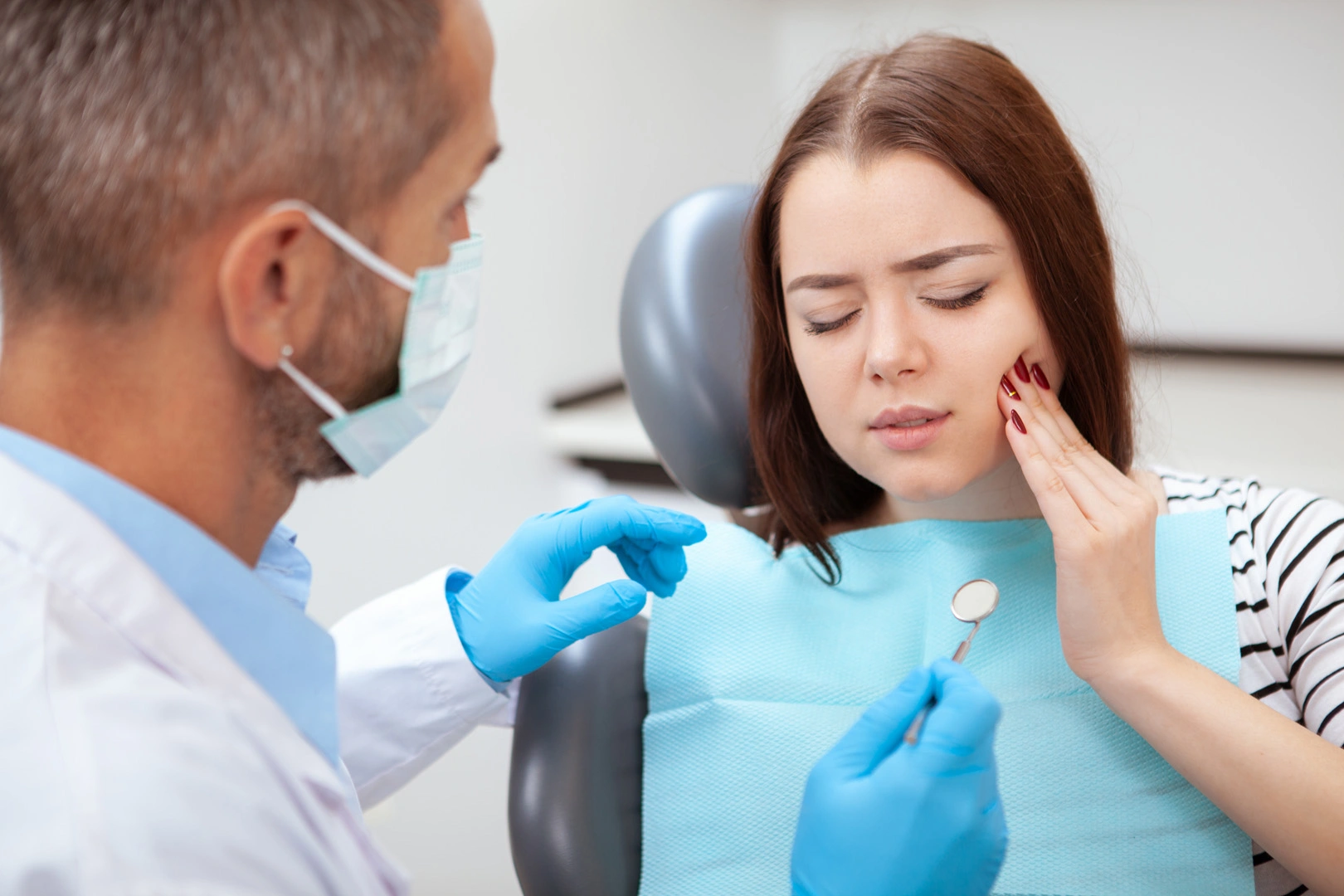
A dental injury rarely arrives at a convenient moment. It happens on a hockey rink, in a school hallway, over dinner, during a weekend bike ride, or in the middle of the night when a dull ache turns sharp and relentless. In those first minutes, most people focus on pain, bleeding, or panic. The clock matters just as much.
When patients call about a broken tooth or sudden swelling, the first question is often, “Can it wait until tomorrow?” Sometimes the answer is yes. Often, it is not. The difference between treatment now and treatment later can be the difference between saving a tooth and losing it, between a simple repair and a far more involved procedure, between a short recovery and days of preventable complications.
That is why the phrase Dental Emergency Aurora should mean more than a search term. For local families, athletes, commuters, and older adults, it points to something practical: getting the right care quickly, before a manageable problem becomes a more serious one.
The mouth does not give you much room for delay
Oral tissues are remarkably resilient, but they are also unforgiving when trauma or infection is involved. Teeth do not heal the way skin does. Once enamel fractures, it does not grow back. Once the nerve inside a tooth is badly damaged, waiting rarely improves the situation. Gum tissue can swell quickly. An infection can spread from a single tooth into the jaw, face, or deeper spaces of the head and neck.
Timing matters because the biology moves fast. A knocked-out tooth begins to lose its best chance of successful reimplantation almost immediately. A cracked tooth that looks minor on the surface can deepen under normal biting forces over the next several hours. A small area of swelling caused by infection can become painful, harder to numb, and more difficult to treat if ignored overnight.
People sometimes underestimate dental pain because they have lived with sensitivity before. A toothache can start as a nuisance and become a true emergency in a short span. It is also common to overestimate what home remedies can accomplish. Ice can reduce swelling. Over-the-counter pain medication can take the edge off. Warm salt water can soothe irritated tissue. None of those address a deep fracture, an exposed nerve, or an abscess.
Not every urgent dental problem looks dramatic
One reason people delay care is that they expect an emergency to be obvious. Heavy bleeding, a missing tooth, or facial trauma clearly feels urgent. Other cases are quieter and easier to rationalize away.
A cracked molar, for example, may only hurt when chewing on one side. A patient might think they can “baby it” for a few days. Then a normal bite on a crust of bread or a piece of granola finishes the fracture, and the tooth splits in a way that rules out a simple crown. The same pattern appears with lost fillings. At first, it seems manageable. Then temperature sensitivity escalates, food packs into the area, and the tooth becomes much harder to restore conservatively.
Infection is another area where appearances can mislead. Some abscesses produce dramatic swelling. Others begin with a bad taste, soreness near the gumline, or a pimple-like bump that drains off and on. Patients often feel temporary relief when pressure decreases, and they assume the problem has solved itself. It has not. The source remains, and delay gives bacteria more time to spread.
A child’s injury can be especially hard to judge. Young patients may not explain pain clearly, and parents may focus on bleeding from the lips or gums while missing subtle signs of tooth displacement. Even baby teeth deserve prompt evaluation after trauma, because the injury can affect speech, comfort, eating, and the developing adult tooth underneath.
The first hour can change the outcome
There is a practical urgency to dental trauma that many people do not hear about until they are in the middle of it. With some injuries, especially avulsed teeth, minutes matter more than people realize.
If a permanent tooth is knocked out completely, quick action gives the best chance of saving it. Dentists often speak in terms of a narrow window, with the highest success when the tooth is reimplanted as soon as possible. That does not mean a longer delay makes treatment pointless, but the odds change. The cells on the root surface are delicate. Dry time damages them. Improper handling damages them too.
The same principle applies, in a different way, to fractures. A broken front tooth may expose the dentin or even the pulp. Early treatment can reduce contamination, protect the nerve, and improve the final cosmetic result. Delaying can mean more inflammation, more pain, and a greater likelihood that root canal treatment becomes necessary.
Soft tissue injuries also benefit from timely care. Cuts to the lips, cheeks, or tongue can trap debris, continue oozing, or heal with more noticeable scarring if not assessed properly. In a facial injury, a dentist may also identify bite changes, jaw tenderness, or tooth mobility that a patient did not notice during the initial adrenaline surge.
What to do in the moment
When an oral injury happens, the first objective is to stay calm enough to protect the area and seek help. The details vary by injury, but a few immediate steps can preserve options.
- Control bleeding with gentle pressure using clean gauze or cloth.
- If a permanent tooth is knocked out, handle it by the crown, not the root, and keep it moist in milk or saliva if you cannot place it back in the socket.
- Use a cold compress on the outside of the face for swelling.
- Avoid chewing on the injured side and do not test the tooth repeatedly.
- Call a dentist right away and describe exactly what happened, when it happened, and what symptoms are present.
That short sequence often buys time without making matters worse. It also gives the dental office better information to triage the problem correctly. Words like “swelling under the jaw,” “tooth knocked out,” “cannot close properly,” or “bleeding that will not stop” help the team understand urgency immediately.
The difference between urgent, same-day, and emergency-level care
Patients often use the word “emergency” for any sudden dental problem. Clinically, there is a spectrum. Understanding that spectrum can help people act faster and more appropriately.
Some problems are urgent but not necessarily dangerous. A lost crown, a chipped tooth without pain, or mild discomfort from a broken filling may need same-day or next-day attention, but the immediate medical risk is low. These still deserve prompt evaluation because delays can increase damage.
Other problems are genuine dental emergencies. Severe pain that is not controlled by usual measures, significant swelling, trauma that displaces or avulses a tooth, uncontrolled bleeding, or signs of spreading infection need rapid professional care. If swallowing or breathing becomes difficult, or if facial swelling is rapidly increasing, that moves beyond routine dentistry and into medical emergency territory.
This is where local access matters. A search for Dental Emergency Aurora usually happens when a patient is trying to answer one urgent question: who can see me now? Speed, in that context, is not a luxury. It is part of treatment.
Pain is a symptom, not a diagnosis
A common mistake is to let pain level determine whether an injury matters. Some serious injuries hurt surprisingly little at first. Other issues are excruciating without being structurally severe. A cracked tooth may ache only under pressure, while an inflamed nerve from decay can throb intensely without visible swelling.
That is why self-diagnosis is risky. A patient may say, “It only hurts when I bite.” That can mean a high spot on a filling, a cracked cusp, a vertical fracture, periodontal ligament trauma, or pulpal inflammation. The correct response depends on the cause. Waiting to “see if it settles” can be reasonable in a few narrowly defined cases, but guessing wrong carries a cost.
People also tend to delay when pain comes and goes. Intermittent symptoms create false reassurance. From a clinical standpoint, that pattern often suggests an issue that is progressing, not resolving. The nerve may still be alive but stressed. The crack may still be incomplete. The infection may still be draining. These are exactly the situations where earlier intervention can preserve more tooth structure and reduce treatment complexity.
Children, sports, and weekend injuries
In communities with active families, many dental emergencies happen outside business hours. Sports are a frequent culprit. Hockey, basketball, skateboarding, scooters, and backyard trampoline mishaps create a steady stream of chipped incisors, loosened teeth, and bitten lips.
Parents are often torn between not overreacting and not missing something important. The practical advice is simple: if a child has had a blow to the mouth and a tooth looks shorter, longer, pushed back, twisted, or loose, have it evaluated promptly. If a permanent tooth is out, the situation is time-sensitive. If the child cannot bite together normally, that matters. If the lip is deeply cut, there may be tooth fragments embedded in the tissue.
Mouthguards reduce injury rates, but they do not eliminate trauma. Even with a guard, a severe impact can injure roots, supporting bone, or soft tissue. I have seen children with what looked like a minor chip who later needed careful follow-up because the tooth darkened months after the injury, a sign that the pulp had not recovered. That long view is part of experienced emergency dental care. The first visit addresses immediate damage, but good management also anticipates what may unfold later.
Infection has its own timeline
Dental infections deserve special respect because the progression can be deceptively uneven. One person may live with intermittent discomfort for weeks before suddenly developing facial swelling overnight. Another may go from tenderness to fever and difficulty opening the mouth within a day or two.
The source is often either deep decay reaching the nerve or a periodontal problem tracking around the root. Once bacteria gain access to deeper tissues, the pressure inside the tooth or surrounding bone can become intense. Antibiotics alone do not reliably solve this if the source remains sealed inside the tooth or abscess cavity. Definitive treatment may mean drainage, root canal therapy, extraction, or a combination, depending on the case.
Here are signs that a dental infection should not be put off:
| Sign | Why it matters | | --- | --- | | Visible swelling of the gum, face, or jaw | Suggests infection is spreading beyond simple irritation | | Fever or feeling generally unwell | May indicate a more significant systemic response | | Trouble swallowing or opening the mouth | Can signal deeper tissue involvement | | Severe throbbing pain that worsens quickly | Often reflects rising pressure and active inflammation | | Bad taste or pus drainage | Indicates infection is present even if pressure temporarily drops |
A patient who wakes up with one-sided facial swelling after having “just a toothache” the night before has learned the timing lesson the hard way. Same-day care in that moment may prevent an emergency room visit later.
Why waiting often makes treatment more expensive
People sometimes postpone emergency visits because they are worried about cost. That concern is real, and it deserves a realistic answer. In many cases, delay increases the total cost rather than reducing it.
A small fracture might be bonded if treated early. Wait until the crack deepens or the nerve dies, and the same tooth may need a root canal, post, crown, or extraction and replacement. A lost filling may be repaired simply at first. Leave the tooth open to repeated stress and bacterial contamination, and the decay or fracture can progress significantly.
The same is true for infections. Managing an early localized abscess is usually more straightforward than treating a more advanced spread with extensive swelling, after-hours complexity, stronger medication needs, and possibly additional procedures.
There is also the hidden cost of missed work, lost sleep, and impaired eating. A person who tries to work through escalating dental pain often becomes less productive long before they finally call for help. Parents lose time when a child cannot attend school comfortably or is waking at night from oral pain. From a purely practical standpoint, prompt treatment usually protects both health and time.
What a good emergency dental visit actually looks like
Many people imagine an emergency dental appointment as rushed, reactive care with few options. Good emergency care is faster than routine care, but it should not feel careless. The best appointments have a clear sequence: assess the pain or injury, identify the source, stabilize the problem, and explain what happens next.
Sometimes definitive treatment happens immediately. A knocked-out tooth may be reimplanted. A painful abscess may be drained. A fractured tooth may be smoothed, bonded, or temporarily protected. In other cases, the first visit is about stabilization because swelling, tissue injury, or time constraints make a full procedure unwise in that moment.
That distinction matters. “Temporary” does not mean unimportant. A well-placed sedative dressing, a secure temporary crown, bite adjustment, splinting of a loose tooth, or careful pain control can protect the final outcome. The value of timely care is not only in finishing the job that day. It is in preventing deterioration between now and the definitive treatment.
For patients seeking Dental Emergency Aurora services, communication is part of quality. A dental team should explain whether the tooth is likely savable, whether nerve injury is suspected, what warning signs to watch for overnight, and what timeline the follow-up requires. Uncertainty is normal in trauma care. Honest explanation of that uncertainty is a mark of professional judgment, not weakness.
Edge cases that people often misread
A few situations deserve special mention because they are easy to dismiss.
A crown that falls off without pain feels minor, but if the underlying tooth has little remaining structure, delay can make recementation impossible. A loose adult tooth after a blow may firm up, but it can also indicate support damage that benefits from splinting and follow-up imaging. A jaw that feels “off” after trauma may reflect more than a bruised muscle. Bite changes are diagnostically important.
Teeth that crack below the gumline are another frustrating category. Patients often hope that if they can avoid chewing there, they can postpone treatment safely. Sometimes that is feasible for a very short period. Often, the crack propagates with ordinary function. What starts as a salvageable cusp fracture can become a non-restorable split.
Then there are older adults with dentures, implants, or extensive restorative work. Their emergencies do not always look like classic toothaches. A fractured denture can prevent eating. A swollen area around an implant can become painful quickly. A bridge that loosens may put strain on supporting teeth. Urgency still applies, even if the issue involves prosthetic work rather than natural enamel.
Prevention helps, but it does not replace readiness
The best emergency is the one that never happens. Mouthguards, routine dental visits, treatment of small cracks before they enlarge, and Dental Emergency Aurora Dental Emergency Aurora attention to grinding habits all reduce risk. So does dealing with decay before it reaches the pulp. But prevention has limits. People still fall, collide, clench, fracture old fillings, and develop infections between checkups.
Readiness is the more realistic goal. Families should know where they would call for urgent dental care. They should understand that a knocked-out permanent tooth is time-sensitive, that facial swelling is not something to watch casually for days, and that severe pain with heat or biting usually deserves prompt assessment.
The difference between a good outcome and a poor one is often not dramatic heroics. It is a patient who acts quickly, a parent who recognizes that a shifted tooth needs same-day care, or an adult who stops hoping the pain will disappear on its own and gets examined before the situation worsens.
The real value of acting quickly
Dental emergencies are stressful because they combine pain, uncertainty, and timing pressure. Yet the timing pressure exists for a reason. Teeth, nerves, gums, and bone each respond differently to Dental Emergency Aurora injury, but they share one pattern: earlier care usually preserves more options.
That is the heart of the issue for anyone searching for Dental Emergency Aurora. Prompt treatment is not merely about comfort, though comfort matters. It is about preserving teeth that can still be saved, reducing the chance of infection spreading, avoiding more invasive procedures, and giving trauma the best possible prognosis.
When the mouth is injured or a tooth suddenly becomes the center of your day, it is worth treating the problem with the urgency it deserves. A few hours can change pain levels. They can also change the long-term result.
Aspenwood Dental Associates and Colorado Dental Implant Center
2900 S Peoria St Ste C, Aurora, CO 80014, United States
+1 303-731-4037
FAQ About Dental Emergency Aurora
What qualifies as a dental emergency?
A dental emergency is any oral injury or condition that involves severe pain, uncontrolled bleeding, or a potential infection that puts a tooth or your overall health at risk.
Can the ER do anything for a tooth?
AI Overview An emergency room (ER) cannot fix or pull a tooth, perform root canals, or provide long-term dental care, because most ERs do not have dentists on staff.
What is the 3-3-3 rule for tooth infection?
The 3-3-3 rule for a tooth infection or severe toothache is a short-term over-the-counter pain management strategy. It involves taking 600 mg of ibuprofen (typically three 200 mg tablets) 3 times a day for no more than 3 days.