17 November 2026
Dental Emergency Aurora Steps for Managing Pain at Home
Presented by @simontjte947
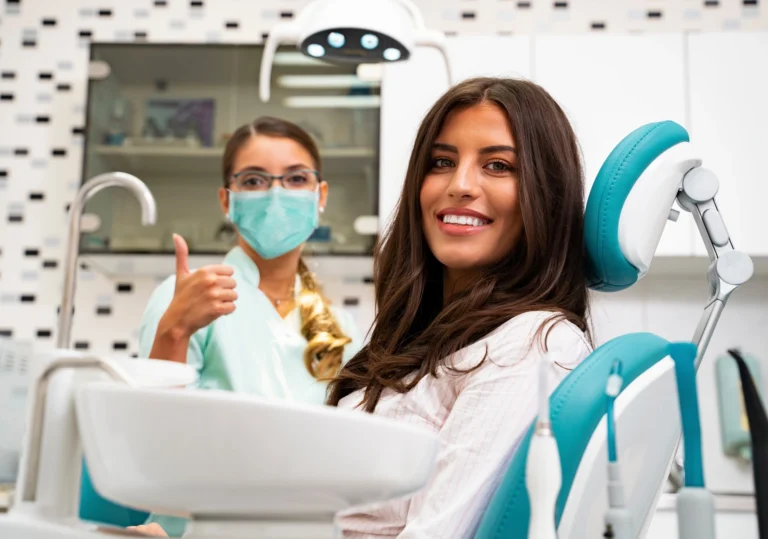
A dental emergency rarely arrives at a convenient hour. It starts with a sharp crack while chewing dinner, a pulse of pain that wakes you at 2 a.m., or a swelling that was mild in the morning and unmistakable by evening. In those first moments, most people want two things, fast relief and a clear sense of what to do next.
If you are dealing with a Dental Emergency Aurora residents often face the same practical problem as anyone else, how to control pain safely at home until a dentist can assess the cause. Home care matters, but it has limits. Tooth pain can signal infection, a fractured tooth, an exposed nerve, a gum abscess, trauma, or a problem that is less dramatic but still urgent. The goal at home is to reduce pain, avoid making the injury worse, and recognize when waiting is not appropriate.
The details matter here. The right rinse can soothe tissue. The wrong medication placement can burn your gums. Ice can help one kind of pain and do little for another. A lost filling can feel manageable for a few hours and then turn into a more serious problem once the exposed tooth starts reacting to air, sugar, or temperature.
First things first, assess the kind of dental pain you have
Dental pain is not all the same, and the pattern tells you a lot. A deep throbbing ache often points to inflammation inside the tooth or pressure from infection. A quick, sharp zing with cold drinks suggests exposed dentin or a cracked area. Pain when biting down can mean a fracture, a loose filling, or inflammation around the root. Swelling in the gums or face raises concern for infection and deserves prompt professional attention.
If the pain followed a fall, sports injury, or blow to the mouth, inspect the area gently in a mirror under good light. Look for bleeding that does not slow down, a tooth that appears moved out of place, a broken edge, or a missing tooth. Trauma changes the urgency because the window to save a damaged or knocked-out tooth can be short.
If you are unsure whether what you are feeling qualifies as an emergency, a simple test helps. Ask yourself whether the pain is interfering with sleep, eating, speaking, or opening your mouth normally. If the answer is yes, it is more than routine discomfort.
The safest home steps in the first hour
The first hour after dental pain starts is often when people improvise, and that is where mistakes happen. It helps to have a calm sequence.
- Rinse your mouth gently with warm salt water, using about half a teaspoon of salt in a cup of water.
- Floss carefully around the painful tooth to remove trapped food, but do not force floss into tight spaces.
- Apply a cold compress on the outside of the cheek for 15 to 20 minutes at a time if there is swelling or trauma.
- Take an over-the-counter pain reliever as directed on the label, if you can use those medications safely.
- Contact a dental office promptly if pain is severe, swelling is present, or the tooth is broken, loose, or knocked out.
That sequence works because it addresses the common drivers of pain. Salt water reduces irritation and helps clean the area. Flossing occasionally solves a problem that looks serious but is simply food wedged under the gumline. Cold on the outside of the face can reduce swelling and numb the area somewhat. Pain medication can take the edge off while you arrange care.
One point that deserves emphasis, put nothing caustic directly on the tooth or gums. Aspirin pressed against the gum is a classic example. People still try it, and it can cause a chemical burn without fixing the source of pain. Clove oil can sometimes help, but it needs care because too much can irritate soft tissue and its effect is temporary at best.
What to do for a toothache that feels deep and constant
A deep, lingering toothache usually means inflammation inside the tooth, often from decay, a cracked tooth, or an old filling that has failed. At home, the priorities are to keep the area clean, avoid triggers, and reduce pressure.
Stick to lukewarm foods and drinks. Extremes of temperature can amplify pain when the inner part of the tooth is irritated. Chew on the opposite side if possible. Soft foods are less likely to set off pain than crusty bread, nuts, chips, or chewy candy. Even healthy foods like raw carrots can be surprisingly painful when a tooth is inflamed.
Over-the-counter pain relievers may help, but it is worth being practical about expectations. They can dull pain, sometimes quite well, but they do not treat infection or repair a fracture. If a toothache is strong enough to return as soon as the medication wears off, that is a sign you need treatment quickly, not just better pain control.
Sleep position matters more than many people realize. Lying flat can increase blood flow and pressure in the head, which can make a tooth throb harder. Resting with your head elevated on an extra pillow often helps at night. Patients mention this often after difficult evenings, and it is one of the simplest adjustments with the most noticeable effect.
When swelling changes the picture
Pain alone is one thing. Pain with swelling is another. Swelling can mean infection spreading into surrounding tissue, and that can worsen fast. A small puffy area near one tooth may begin as a localized problem, but facial swelling, jaw stiffness, or swelling that seems to increase over hours should be taken seriously.
Use a cold compress on the outside of the face, not heat. Heat can feel comforting, but it may increase circulation in a way that makes swelling worse in some cases. Do not press on the swollen area, and do not try to drain it yourself. That is the kind of home intervention that causes more trouble than it solves.
If swelling is accompanied by fever, a bad taste in the mouth, pus, difficulty swallowing, difficulty breathing, or trouble opening the mouth, stop thinking in terms of home care and seek urgent treatment. Those are not wait-and-see symptoms.
For people searching online late at night for Dental Emergency Aurora advice, swelling is one of the clearest signs that a phone call should happen immediately. Even if the pain seems manageable for a few hours, the infection behind it may not be.
A broken tooth is not always dramatic, but it is still urgent
Not every broken tooth announces itself with obvious bleeding or a missing chunk in the sink. Sometimes it feels like a rough edge that catches the tongue. Sometimes it hurts only when biting. Sometimes the crack is hard to see, but the pain on release after chewing is a clue.
If a piece of the tooth has broken off, save it if you can. Rinse your mouth gently with warm water. If the broken edge is sharp, dental wax from a pharmacy can cover it temporarily and protect your tongue or cheek. Sugar-free gum can work in a pinch if you have nothing else, though it is less ideal and should only be a very short-term measure.
A cracked or broken tooth should be protected from pressure. Do not test it repeatedly to see if it still hurts. That sounds obvious, but people do it all the time. Rechecking the pain by biting down on it every 20 minutes tends to make the area more irritated and can worsen a crack.
If the fracture exposes the yellow or darker inner layer of the tooth, sensitivity often increases quickly. That is because the protective enamel barrier is gone. Prompt care can make the difference between a simpler restoration and more involved treatment later.
If a filling, crown, or veneer comes loose
A lost filling or crown often creates a strange combination of relief and new discomfort. The pressure that built up underneath may lessen, but the exposed tooth can become extremely sensitive to cold air and food. In the short term, keep the area clean and avoid chewing on that side.
If a crown comes off and you can retrieve it, keep it safe and bring it to the dentist. Sometimes it can be recemented, depending on its condition and the tooth underneath. Over-the-counter temporary dental cement may help hold a crown or cover an exposed area briefly, but only if used as directed and only as a stopgap. Household glues do not belong anywhere near your mouth.
A practical detail people appreciate, if the exposed tooth is sensitive to air, breathing through the nose when possible and avoiding very cold drinks can reduce those sudden jolts of pain. It sounds small, but on a long night, small strategies matter.
Managing a knocked-out tooth
This is one situation where a few minutes matter. A permanent tooth that has been completely knocked out has the best chance of being saved if it is handled correctly and brought to a dentist quickly.
Hold the tooth by the crown, the part you normally see in the mouth, not the root. If it is dirty, rinse it gently with milk or saline, or briefly with water if nothing else is available. Do not scrub it. If you can place it back into the socket easily and safely, that is often ideal. If not, keep it moist in milk or in a tooth preservation solution if one is available. Time matters here, and dry storage is harmful.
Baby teeth are different. They are generally not replanted because of the risk to the developing permanent tooth. That is one reason it is helpful to mention the age of the patient immediately when calling for care.
Gum injuries and bleeding after dental trauma
Mouth tissue tends to bleed dramatically even from a small cut. That visual can be alarming, especially for parents, but steady pressure solves many minor soft tissue injuries. Use a clean piece of gauze or cloth and hold firm pressure for about 10 to 15 minutes without lifting it every minute to check. Constant checking interrupts clotting.
Cold water rinses can help clear the mouth enough to see where the injury is coming from. If a lip or cheek is cut and swelling is rising, a cold compress on the outside can help. If bleeding does not slow with pressure, or if the cut is large, deep, or extends through the lip border, it needs urgent evaluation.
One common oversight after a sports injury is focusing on the bleeding lip and missing the injured tooth. If a tooth suddenly feels high when biting, looks displaced, or seems loose after trauma, that is a dental emergency even if the bleeding from the gum has slowed.
What not to do, because it often makes things worse
Some home remedies survive because they are memorable, not because they work. Dental pain is one of those areas where well-meant advice can backfire.
Avoid these mistakes:
- Do not place aspirin, alcohol, or undiluted essential oils directly on the gums or tooth.
- Do not use very hot compresses on facial swelling.
- Do not ignore swelling, fever, or a foul taste that suggests drainage or infection.
- Do not keep chewing on a cracked, loose, or painful tooth to “test” it.
- Do not use super glue or non-dental adhesives to reattach crowns, veneers, or broken pieces.
The reason these mistakes are so common is that people naturally want a direct fix. If something hurts in one spot, they want to put something on that spot. But tooth pain often begins deeper than the surface. Relief that irritates the gum or delays treatment usually costs more comfort later.
Pain control at home, realistic expectations
People often ask whether ibuprofen or acetaminophen is “better” for dental pain. The answer depends on the person, their medical history, and what they can safely take. Anti-inflammatory medicine may work especially well when swelling is part of the problem, but not everyone can use it. Some people have ulcers, kidney disease, are on blood thinners, or have been advised to avoid certain medications. The label and your physician’s advice matter.
What is often overlooked is timing. Pain medication usually works best when taken before pain escalates to an intense level, assuming it is being used safely and appropriately. If you wait until the pain is severe and pounding, it can feel like nothing is helping, even when the medication is doing part of the job.
Hydration also matters. A dry mouth tends to make irritated tissue feel worse. Sipping water, especially if you have been breathing through your mouth due to congestion or pain, can make you more comfortable. Just avoid ice-cold drinks if temperature sensitivity aspenwooddental.com Dental Emergency Aurora is pronounced.
Special situations, children, braces, and wisdom teeth
Children do not always describe dental pain clearly. A child with a dental emergency may simply refuse food, touch one side of the face, wake repeatedly, or become suddenly irritable. If there is swelling, trauma, or a tooth that appears damaged or displaced, the same principle applies, get prompt professional advice. For medication, dosing in children must be age and weight appropriate, not estimated casually.
Braces add their own version of urgency. A poking wire can create a painful ulcer quickly. Orthodontic wax can be extremely helpful as a temporary measure. If a bracket is loose but still attached to the wire, it usually does not require panic, but it does require a call to the orthodontist for direction. If the wire is embedded in the cheek or gum and you cannot cover it comfortably, that is more urgent.
Wisdom tooth pain sits in an awkward middle ground because it is common, but it can become serious. Mild soreness from eruption may improve with warm salt water rinses and careful cleaning. But pain with swelling, bad taste, difficulty opening the mouth, or gum tissue that looks inflamed around a partially erupted tooth can suggest infection around the area. That often needs treatment, not just home care.
How to talk to the dental office so you get the right urgency
When you call for help, details matter more than dramatic wording. Say when the pain started, whether there is swelling, whether the tooth is broken or loose, whether trauma was involved, and whether you have fever, drainage, or difficulty swallowing. If you can rate the pain and describe what triggers it, even better.
A patient who says, “I have upper right pain,” gives less useful information than someone who says, “The back upper right tooth started throbbing this afternoon, the cheek is swelling, cold hurts sharply, and I cannot chew on it.” That kind of description helps the office judge timing and preparation.
If you are seeking a Dental Emergency Aurora appointment after hours, leave a clear callback number and stay available. Many emergency scheduling delays happen because the dental team calls back and cannot reach the patient.
Signs that home care is no longer enough
There is a line between buying a little time and taking an unnecessary risk. Knowing where that line is can protect both your comfort and your health.
Seek urgent dental or medical care right away if you have facial swelling that is spreading, fever, trouble swallowing, trouble breathing, uncontrolled bleeding, a knocked-out permanent tooth, a tooth that has shifted out of position, severe pain after trauma, or pain that is intense enough to keep escalating despite basic home measures. Those symptoms suggest a situation that should not wait for routine business hours.
Even without dramatic warning signs, a toothache that persists for more than a day or two deserves attention. Teeth rarely heal themselves once the inner tissue is inflamed or infected. Temporary relief is useful, but it is still temporary.
A calm response usually leads to a better outcome
Dental emergencies feel personal in a way few other health issues do. You use your mouth to eat, speak, smile, and sleep. When something goes wrong, the disruption is immediate. The good news is that a calm, informed response often improves the next few hours and sometimes even the long-term result.
Rinse gently. Reduce pressure on the area. Use cold externally if there is swelling. Take safe pain relief as directed. Protect a broken tooth. Preserve a knocked-out one properly. And then arrange professional care without delay when the signs point to more than minor irritation.
Pain at home can be managed for a short window. The underlying cause still needs a trained set of eyes, proper imaging when needed, and treatment that solves the problem rather than just muting it. That is the difference between getting through the night and actually getting better.
Aspenwood Dental Associates and Colorado Dental Implant Center
2900 S Peoria St Ste C, Aurora, CO 80014, United States
+1 303-731-4037
FAQ About Dental Emergency Aurora
What qualifies as a dental emergency?
A dental emergency is any oral injury or condition that involves severe pain, uncontrolled bleeding, or a potential infection that puts a tooth or your overall health at risk.
Can the ER do anything for a tooth?
AI Overview An emergency room (ER) cannot fix or pull a tooth, perform root canals, or provide long-term dental care, because most ERs do not have dentists on staff.
What is the 3-3-3 rule for tooth infection?
The 3-3-3 rule for a tooth infection or severe toothache is a short-term over-the-counter pain management strategy. It involves taking 600 mg of ibuprofen (typically three 200 mg tablets) 3 times a day for no more than 3 days.